


What you eat in matters.
Porcelain for the home, the gift and the service.
Most tableware is chosen for how it looks. We think what it’s made of matters more.
Find your table.
Hotels, restaurants and cafés. Corporate and festive gifting. Retail and the home.


Two plates can look identical. Only one has been tested against what goes on it.
For the people who buy tableware by the hundred — and everyone who eats off it.
Lead is still used in some glazes, especially to brighten reds, oranges and yellows. Fired too low, the US FDA warns, it “may not fuse” — and can pass into food. The WHO’s position is that no level of lead exposure is safe.
Fired above 1,250°C, with glazes made to meet international food-contact limits for lead release.
Cadmium pigments can migrate from glaze into food. The body clears it slowly, so exposure accumulates over years.
Glazes made to meet international food-contact limits for cadmium release.
An unvitrified body stays porous. Micro-pores and cutlery scratches hold moisture, oil and residue — the conditions bacteria need. Washing doesn’t reach below the surface.
Fired past vitrification into a dense, glass-like body. Near-zero porosity. Nothing soaks in.
Turmeric, curry and coffee settle into the surface. Plates begin to smell of everything they’ve served.
A sealed surface that wipes clean, service after service.
Sources: US FDA guidance on lead-glazed ceramics · World Health Organization
Rims chip and surfaces dull within a season of real service. Replacement is the real cost, not the invoice.
High chip resistance and cutlery-hardened glazes. Fewer replacements per cover, per year.
Body and colour shift batch to batch. Next year’s order doesn’t match this year’s.
Three kilns, roughly 450 tons a month, the same body every time. Top up instead of replacing.
Test reports rarely available. Claims made, not evidenced.
A straight answer on exactly what documentation we can provide for your market.
Bought in and rebranded, order to order.
Our own family’s kilns since 1964. You buy from the people who fire it.
Once it’s on your table.
Four things you only find out after a year of real use.
High chip resistance at the rim and edge, where plates actually die. Glazes hardened against daily cutlery, so the surface doesn’t go flat after a season.
Thermal-shock protection, so it moves between the fridge and high heat without crazing. Microwave and commercial dishwasher safe.
Same body, same glaze, same kilns — three kilns and roughly 450 tons a month behind your reorder. Top up a service instead of replacing it.
Logo work and bespoke pieces for hotel groups and corporate gifting. Tell us what you have in mind and we’ll tell you what’s possible.
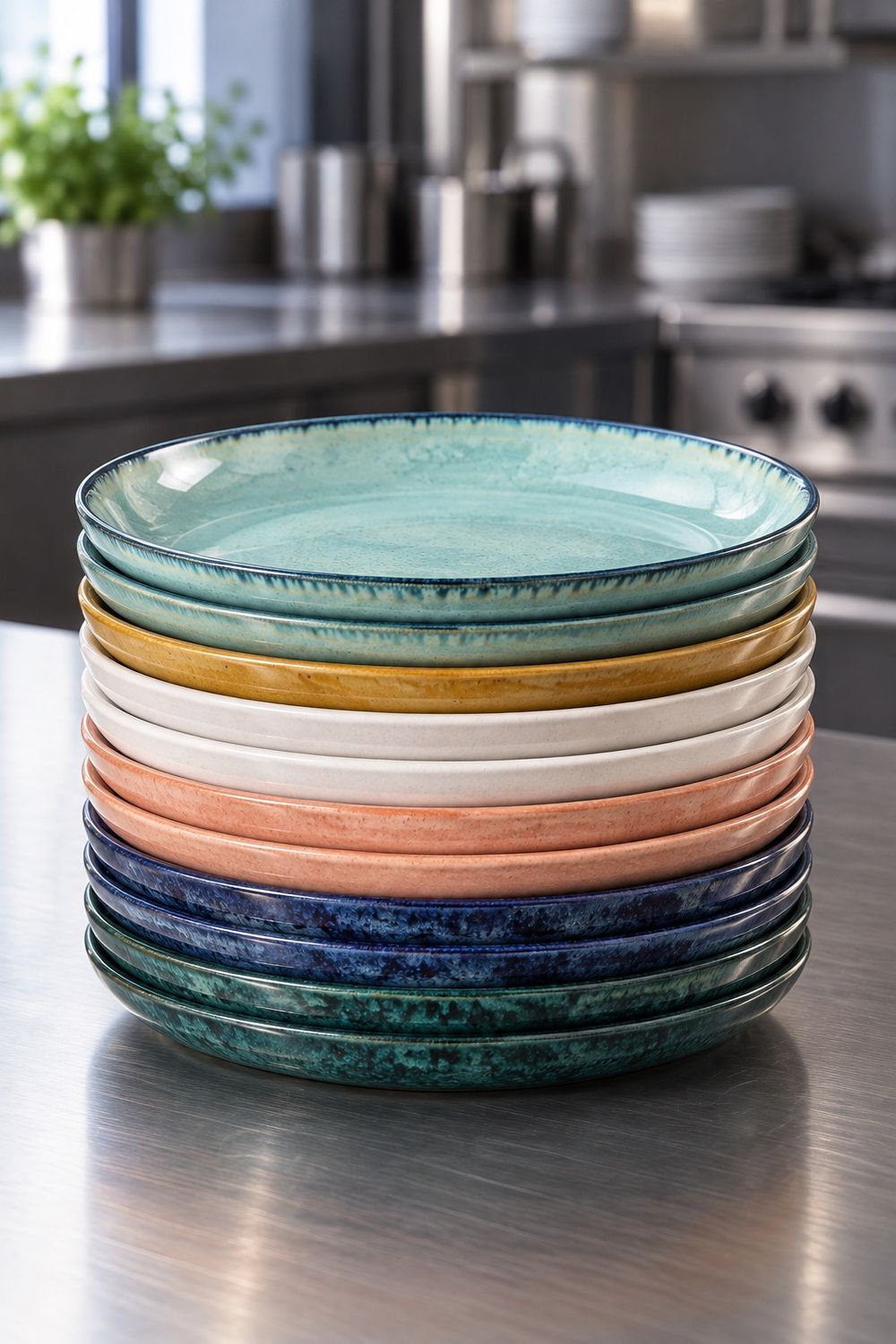
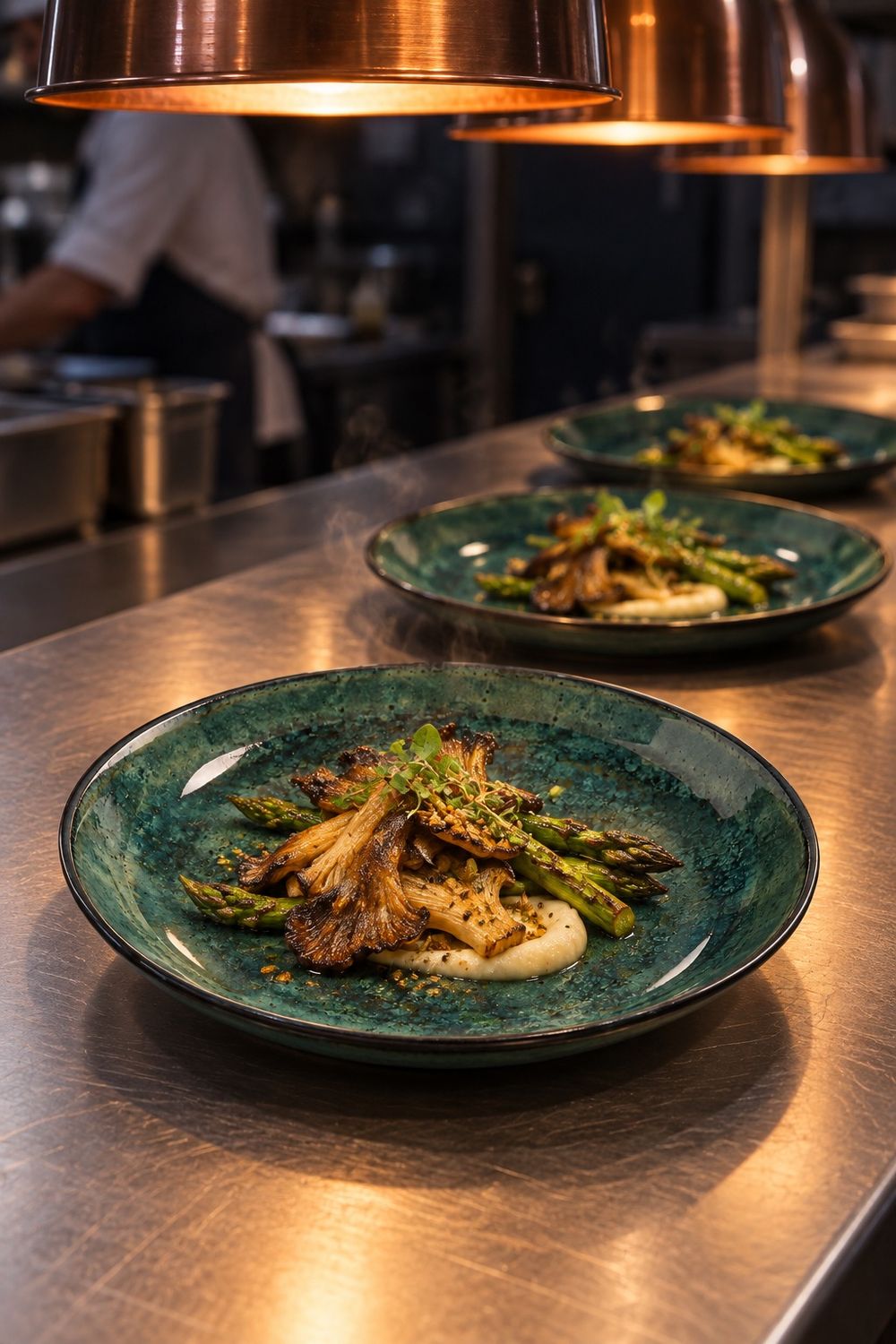
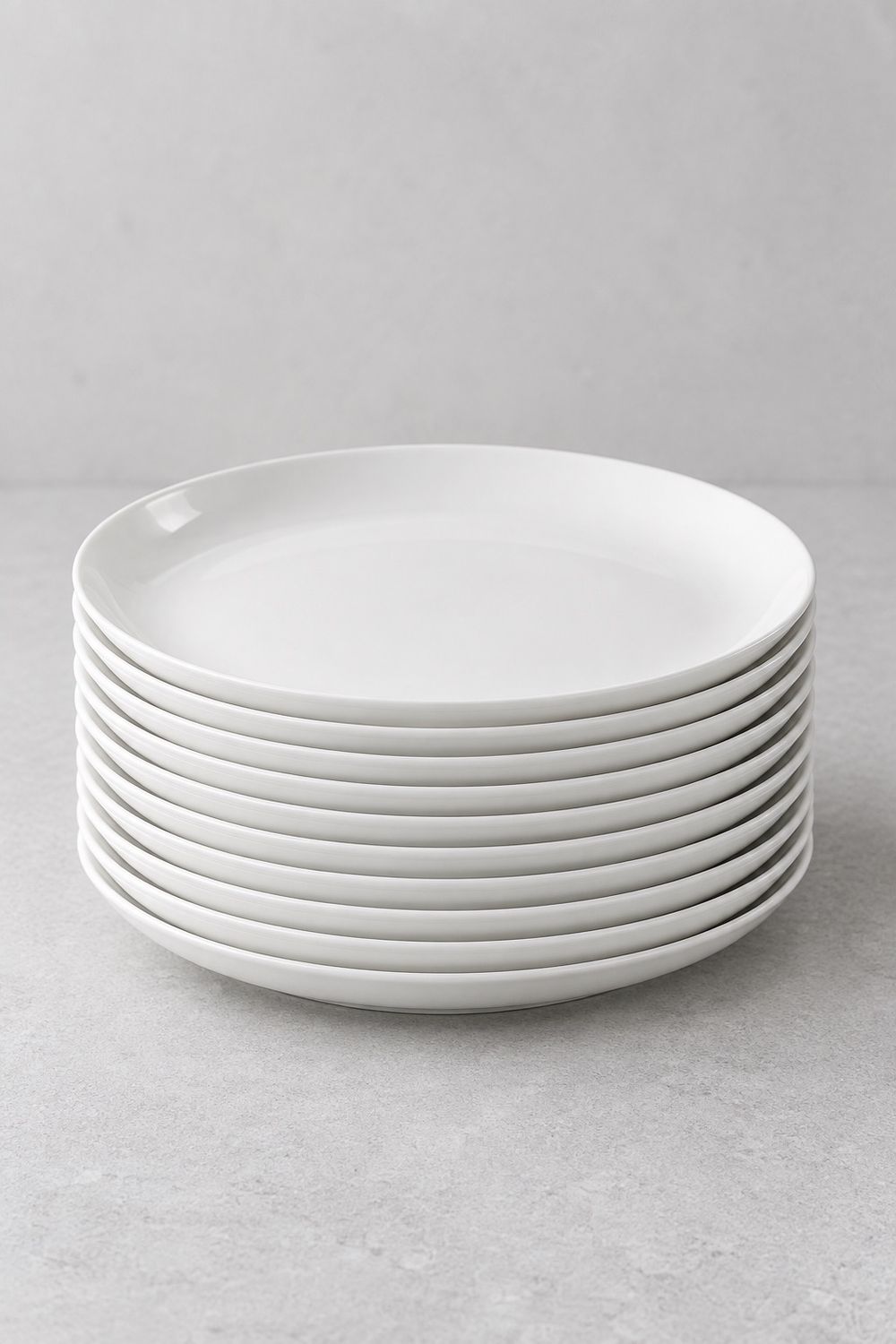


A gift that ends up on the table.
Now taking Diwali 2026 orders.

A family that has worked in ceramics since 1964.
VITRO is not sourced order to order. The kilns, the body and the people behind it are our own — which is why your tenth order can match your first.
Three modern kilns and roughly 450 tons a month — enough for a hotel rollout or a container order, from the people who actually make it.
For buyers who specify before they order.
Factory-direct, for importers, distributors and hotel groups outside India.
Samples first
Put VITRO through your own service before any contract.
Straight answers
Full specifications, and exactly what documentation we can provide for your market.
Container scale
Three kilns and roughly 450 tons a month behind your order.
Continuity
Reorders matched to your first shipment.


Let’s talk porcelain.
Catalogue, samples or a call with the founders.